top of page
Water Shutoff Wrench
Gas Shutoff Tool
Main Breaker Safety


A 28-inch T-handle curb key is the standard tool for underground meters. Turn 90 degrees clockwise to isolate supply.
A dedicated, non-sparking wrench should be zip-tied directly to your gas meter pipe for immediate access during events.
Ensure you have clear labeling and a 'Lockout' procedure. Use a magnetic flashlight on the panel door safely.
The Essential Toolkit
Preparedness starts with the right hardware. In a major disaster, utility failures are the first line of crisis. Having the tools to manage your own survival environment is not just an advantage—it is a necessity.
Utility Control & Safety


Long-Term Maintenance
- Fuel Stabilization: Add stabilizer to stored gasoline every six months to prevent gumming and system failure.
- Monthly Testing: Run your generator for 20 minutes under load to circulate oil and ensure internal components remain lubricated.
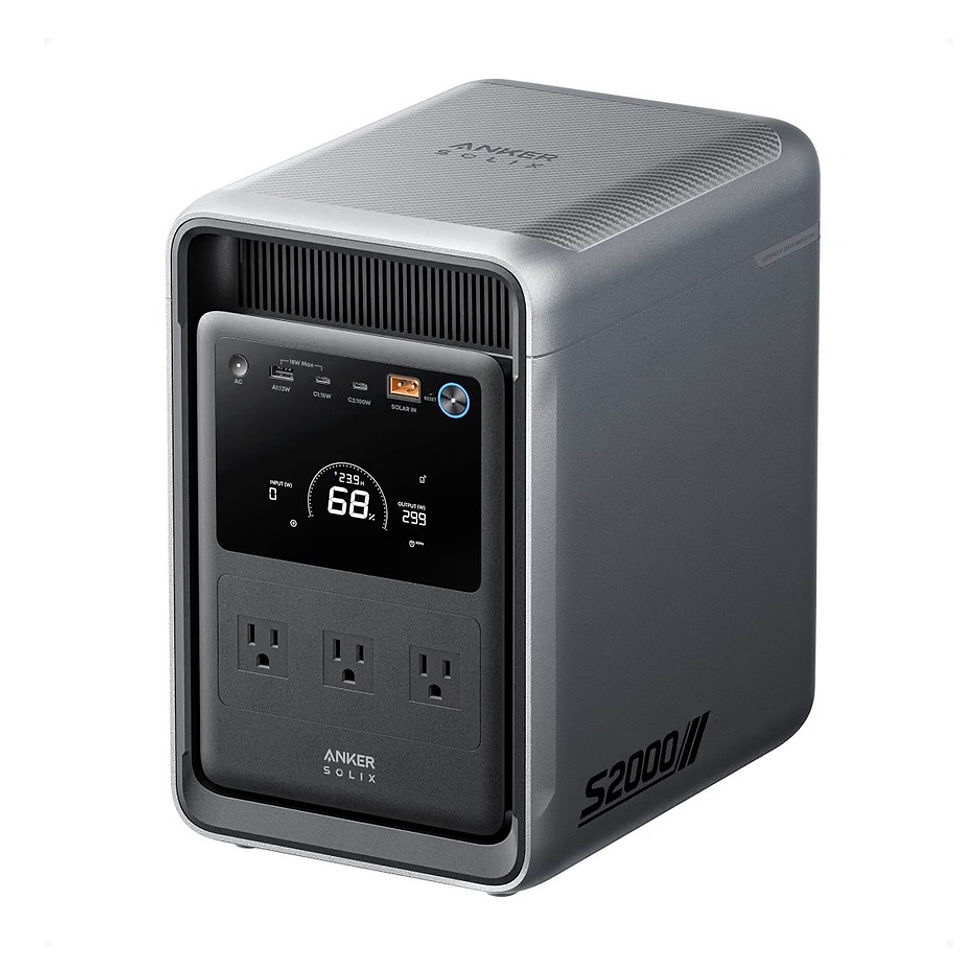
- Battery Health: Maintain portable power banks at 50-80% charge level to maximize lifecycle and emergency readiness.
- Oil Changes: Log engine hours meticulously; change high-synthetic oil after the first 20 hours of break-in use.
- Clearance Check: Ensure all utility shutoff tools are unobstructed and zip-ties are brittle-free for immediate emergency use.
bottom of page