The Basic Essential Skills Mastery Path
The Foundation
In this intro phase, your family identifies core survival needs to stay safe when systems fail. You will master:
• Water Management: Store and filter a 3-day supply by using home-safe containers and portable filters.
• Emergency Sheltering: Create safety at home or in a vehicle by sealing windows or pitching a basic tarp tent.
• Family Connection: Build a contact tree so everyone knows where to meet if phone lines are down.
• Simple Food Stores: Stock stackable canned goods and dry grains that require minimal heat to eat.
Fire & Warmth
Prepare your family to harness heat and survive the cold with confidence. You will master:
• Ignition Techniques: Use matches, lighters, or ferro rods to spark a flame, like lighting a stove during a power outage.
• Thermal Regulation: Practical methods to retain body heat at home or in the wild, such as creating a warm-room habitat.
• Fuel Management: Rationing and organizing wood or coal to keep a fire burning all night.
• Safety Rules: Crucial protocols to prevent home fires, like maintaining a three-foot clearance around space heaters.
Medical & Care
In this module, you will learn to protect your household during health crises through practical care techniques.
• Build a Custom Family Kit: Prepare for specific needs, like packing liquid Benadryl for a child’s unexpected allergy.
• Treat Common Injuries: Gain confidence in wound care, such as stopping heavy bleeding from a kitchen accident.
• Emergency Hygiene: Maintain health when water is off, like using a two-bucket system for waste.
• Triage Logic: Recognize when a fever requires a hospital visit rather than home rest.
Total Resilience
Achieve true independence by mastering advanced strategies for long-term household stability.
• Analog Navigation: Maneuver without GPS using physical maps, like finding a safe route through backroads during a total network outage.
• Food Production: Cultivate a high-yield garden, for example, growing enough hearty potatoes and greens to supplement your family’s meals for months.
• Home Security: Establish daily safety habits, such as reinforcing entry points and setting up alert zones to protect your loved ones from intruders.
• Financial Resilience: Build an emergency cash reserve and barter-ready assets to pay for essential services when digital banking systems are down.
Training Opportunities
• Solo Practice at Home
Building confidence starts in your own space through hands-on repetition and controlled simulations. Challenge yourself with a one-match fire drill in a safe backyard fire pit to master efficient heat building under pressure. Test your household resilience by running a 10-minute water-only day using exclusively your stored supplies to understand rationing needs. Conduct a 15-minute blackout drill using flashlights and battery-operated radios only to ensure you can navigate and receive information when the power fails.
• Family Drills
Strengthen your family’s preparedness by turning survival theory into muscle memory through regular, structured rehearsals. These exercises ensure each family member understands their specific responsibilities when a crisis occurs.
• Local Classes & Community
Strengthen your family’s resilience by connecting with local experts and neighbors through hands-on education. Enroll in a Red Cross First Aid/CPR course, join a local CERT team, attend community garden workdays, or visit fire department open houses together.
• Online Resources
Empower your family with curated digital tools like FEMA courses, reputable YouTube channels for fire and shelter skills, and printable checklists and drill templates you can use at home.
Hands-On Fieldcraft Tools
Mastering the wild requires more than just gear; it requires skin-in-the-game practice. These core fieldcraft skills turn basic survival theory into reliable muscle memory for you and your family.
Fire Starting
- • Fire Starting
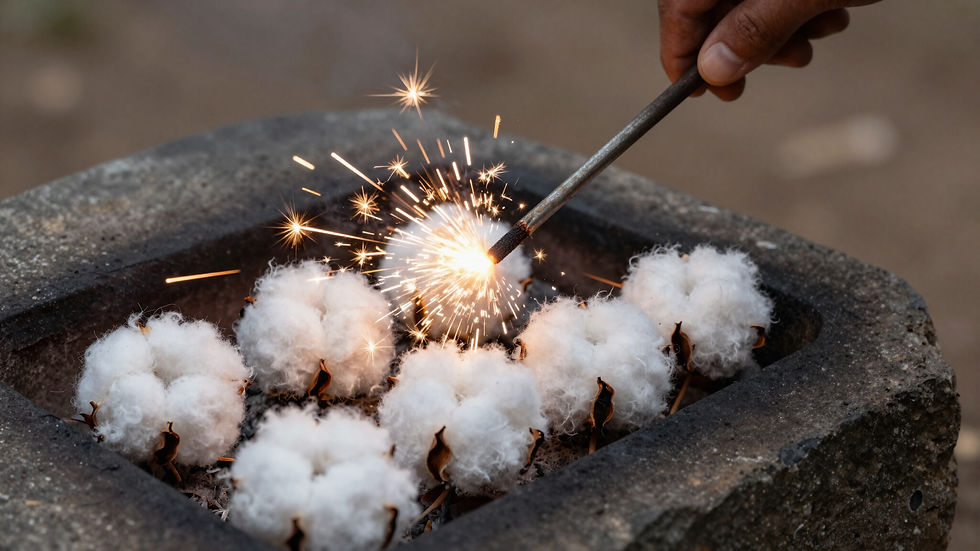
- Ferro Rod Practice: Strike a ferro rod onto cotton balls with petroleum jelly in a safe fire pit until you can reliably get a flame in under 30 seconds.
- Bow Drill Attempts: Build a simple bow drill set from local wood and practice until you can consistently produce a small, glowing ember.
- Safe Fire Lays: In a cleared dirt circle, practice building teepee and log-cabin fire lays with a clear safety zone around them.
Water Filtration
- • Water Filtration
- Bottle Filter Build: Layer small rocks, sand, and crushed charcoal in a clear bottle and pour dirty water through to see how much clearer it becomes.
- Filter vs. Unfiltered Test: Collect two jars of the same water source—run one through your DIY filter or home filter and compare clarity and smell.
- Gravity Bag Drill: Hang your gravity filter over a bathtub or bucket and time how long it takes to fill a pot or bottle.
Basic Traps & Snares
- • Basic Traps & Snares (Practice Only)
- Cordage Snare: Use paracord or string to build simple loop snares on sticks in your yard, without setting them where animals walk.
- Trigger Practice: Carve and assemble a Figure-4 trigger and test it with a tennis ball so it drops safely when touched.
- Trail-Reading Walks: On hikes, look for tracks, droppings, and narrow paths animals might use, focusing only on observation and learning local wildlife patterns.